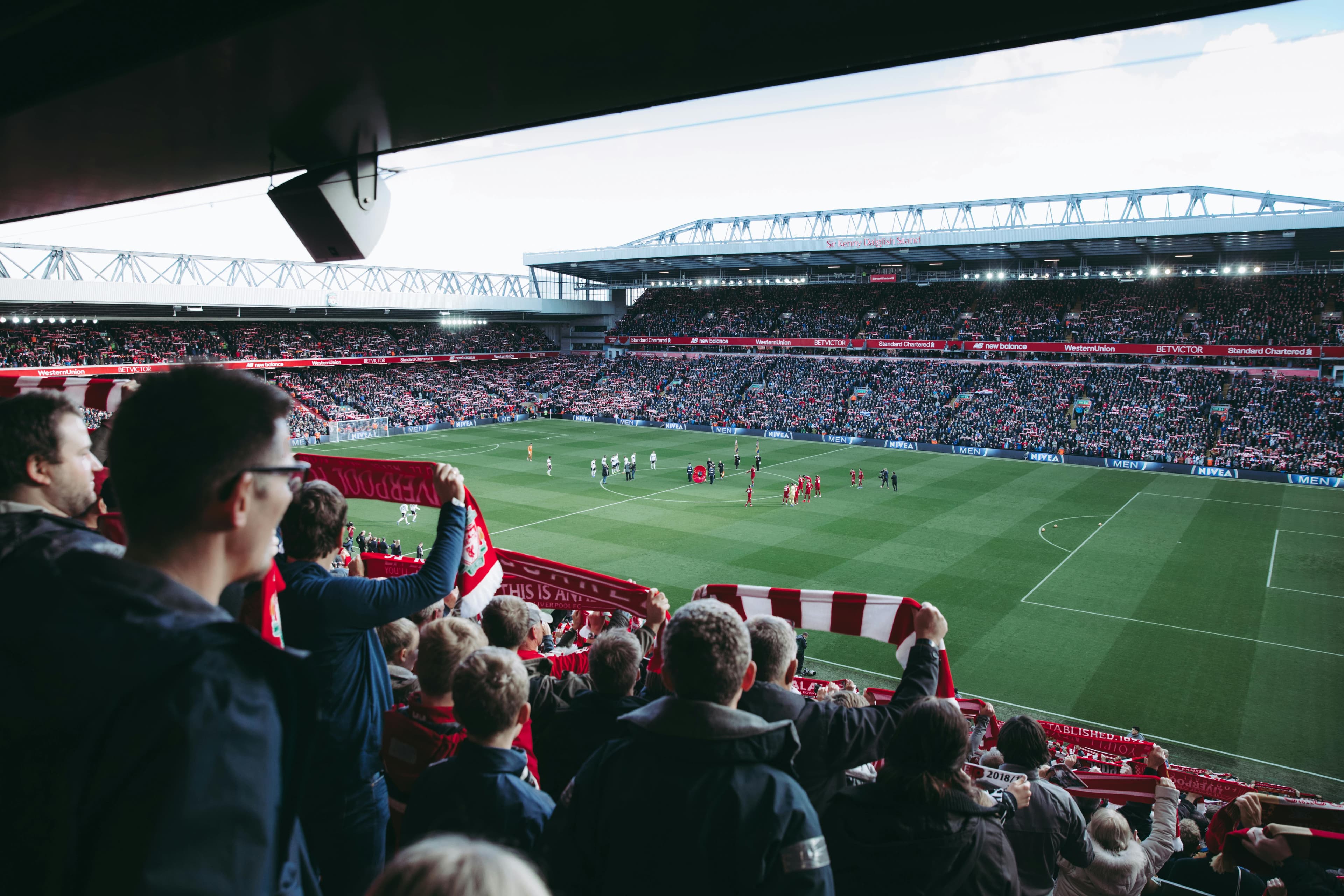
Sheffield Wednesday's Home Struggles Continue with Defeat to Oxford United
In the world of football, the concept of 'home advantage' is often regarded as a sacred tenet, akin to the foundational axioms of mathematics. However, Sheffield Wednesday's recent performance at Hillsborough against Oxford United, on October 25, 2025, serves as a poignant case study challenging this notion. Despite the enthusiastic backing of 27,261 supporters, the Owls succumbed to a 1-2 defeat, thereby extending their home winless streak in the Championship this season. This result not only underscores their defensive frailties but also reflects the broader malaise afflicting the team in the current campaign.
The match unfolded with an air of anticipation as Sheffield Wednesday sought to reverse their fortunes at their home ground. Yet, the early exchanges highlighted familiar defensive vulnerabilities that have come to embody their performances this season. Such deficiencies were exploited by Oxford United, whose tactical acumen and incisive play carved open the Wednesday defense, culminating in a decisive opening goal. This sequence of play echoes the findings of strategic analysis in sports, where a team's structural weaknesses become apparent under pressure, much like the stress points in a bridge under heavy load.
Central to the Owls’ ongoing challenges is their negative home goal difference, now standing at -15, a statistic that serves as a quantitative indicator of their struggles. Despite the presence of influential figures such as Barry Bannan and Jamal Lowe—the latter having netted three league goals this season—the team has been unable to translate individual talent into collective success. This dichotomy between potential and performance is reminiscent of systems theory, where the sum of individual components fails to produce a cohesive and effective whole.
As Sheffield Wednesday languish near the bottom of the Championship table, having amassed a mere six points from 12 games, the urgency to arrest their decline mounts inexorably. The forthcoming winter period, traditionally a rigorous test of squad depth and resilience, looms large on the horizon, demanding a reassessment of tactical approaches and player deployment. The imperative for change is clear, as the club grapples with the dual challenges of improving defensive solidity and rediscovering the efficacy of their home ground as a fortress. In this context, the role of the managerial and coaching staff becomes paramount, akin to researchers tasked with navigating a complex experimental design to yield favorable outcomes.
In conclusion, Sheffield Wednesday's defeat to Oxford United is not merely a statistical entry in the annals of the 2025 Championship season but rather a microcosm of the systemic issues confronting the club. The path forward necessitates a strategic recalibration, informed by a rigorous analysis of existing deficiencies and the exploration of innovative solutions. Only then can the club hope to transcend their current plight and restore the revered status of Hillsborough as a bastion of home advantage.








 Birmingham City
 Derby County
 Millwall FC
 Ipswich Town