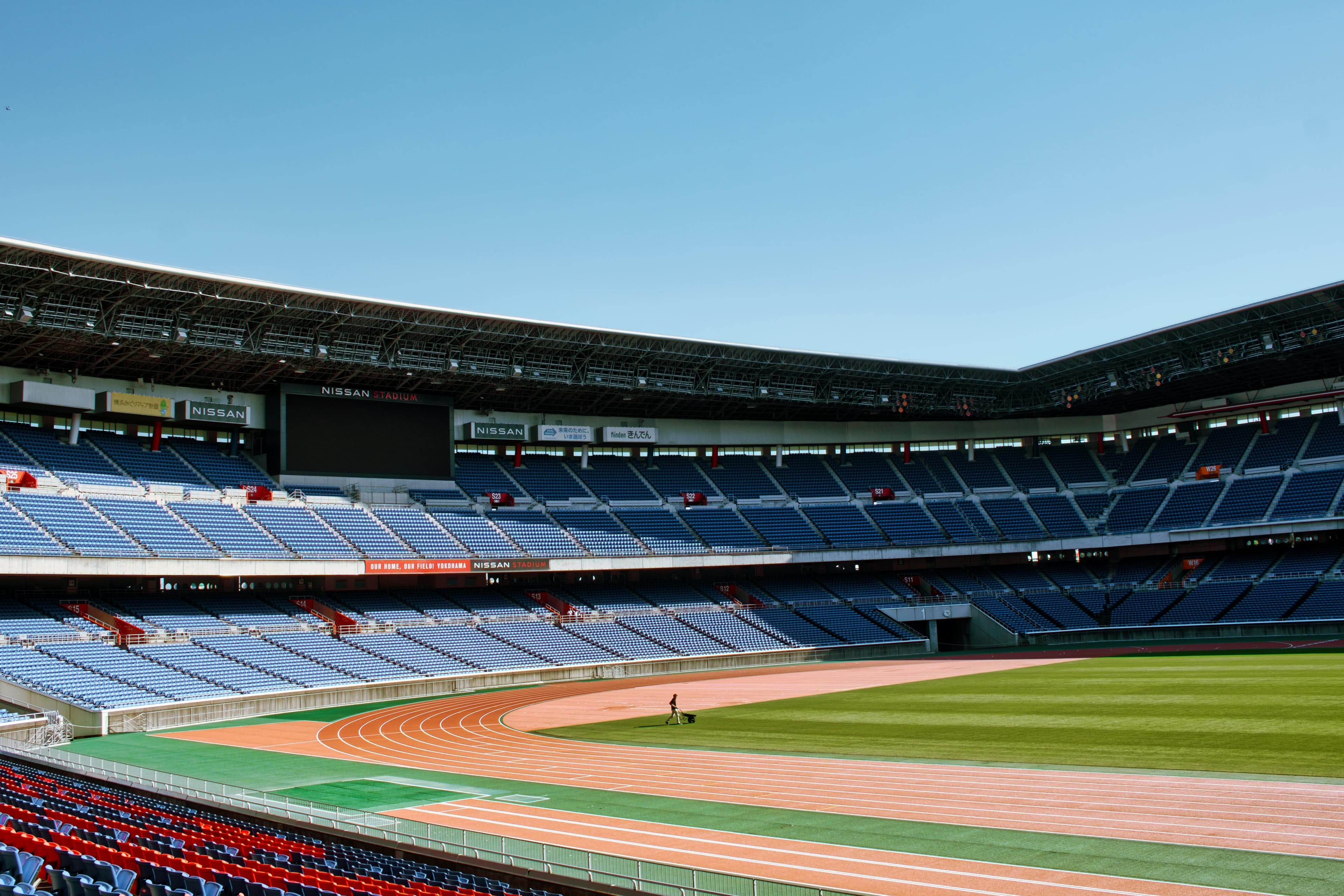
Bayer Leverkusen's Tactical Triumph: A Study of Their Victory Over Borussia Dortmund in the German Cup
In a narrative that resembles a meticulously constructed research paper, Bayer Leverkusen's recent 1-0 victory over Borussia Dortmund in the German Cup round of 16 on December 2, 2025, offers rich insights into the dynamics of contemporary football strategies. This match serves as a case study in tactical discipline and the psychological dimensions of sporting contests.
The match's lone goal, scored by the promising 20-year-old forward Ibrahim Maza, epitomized the blend of youthful exuberance and strategic foresight. Maza's decisive strike in the 34th minute was not merely a moment of individual brilliance but a culmination of a well-orchestrated team maneuver. The play began from the back, highlighting Leverkusen's commitment to building attacks patiently. Alex Grimaldo's incisive pass to Maza, who, despite initial resistance from Dortmund's Waldemar Anton, exhibited remarkable composure to find the net on his second attempt, illustrates the principle of perseverance—a theme often explored in sports psychology.
Leverkusen's triumph was made even more significant by the historical context in which it occurred. The victory terminated Dortmund's long-standing unbeaten home record, which stretched back to early March 2025. This result, occurring just three days after Dortmund's 2-1 Bundesliga victory over Leverkusen, adds a layer of narrative complexity to the contest, evoking themes of rivalry and redemption. Maza himself referenced this narrative arc, highlighting the 'score to settle' mentality that evidently galvanized Leverkusen's performance.
The match was not without its contentious moments. In the second half, a goal by Martin Terrier was disallowed after a VAR review determined an offside infringement. Such instances underscore the ongoing debate within football circles regarding the impact of technology on the sport, akin to discussions in academic literature on the role of digital interventions in traditional practices.
Moreover, the match was played against a backdrop of socio-political protest. A 12-minute silent protest by supporters opposed proposed changes to security measures around football matches, including the introduction of personalized tickets and enhanced surveillance. This protest can be likened to a field experiment in social behavior, examining the intersection of sport, policy, and public sentiment.
Ultimately, Leverkusen's victory was not only a tactical success but also a narrative-rich event that offers multiple layers of analysis. As the 2024 German Cup winners advance to the quarter-finals, they do so with a reinforced identity, poised to continue their campaign with both strategic acumen and psychological resilience.




 Borussia Dortmund
 FC St. Pauli
 VfL Wolfsburg
 1. FC Heidenheim
 Club Brugge
 Bodoe/Glimt
 Manchester City
 Bayern Munich
 VfB Stuttgart
 TSG Hoffenheim
 Bayer Leverkusen
 Eintracht Frankfurt
 SC Freiburg
 Union Berlin
 Borussia Monchengladbach
 Werder Bremen
 1. FC Cologne
 Hamburger SV
 FC Augsburg
 FSV Mainz
 Arsenal FC
 Paris Saint-Germain
 Atalanta BC
 Inter Milano
 Real Madrid
 Atletico Madrid
 Liverpool FC
 Tottenham Hotspur
 Newcastle United
 Chelsea FC
 Sporting CP
 FC Barcelona
 Olympique Marseille
 Juventus Turin
 Galatasaray Istanbul
 AS Monaco
 PSV Eindhoven
 Qarabag FK
 SSC Napoli
 SL Benfica
 Pafos FC
 Union Saint-Gilloise
 Athletic Bilbao
 Olympiacos Piraeus
 Slavia Prague
 Ajax Amsterdam
 Villarreal CF